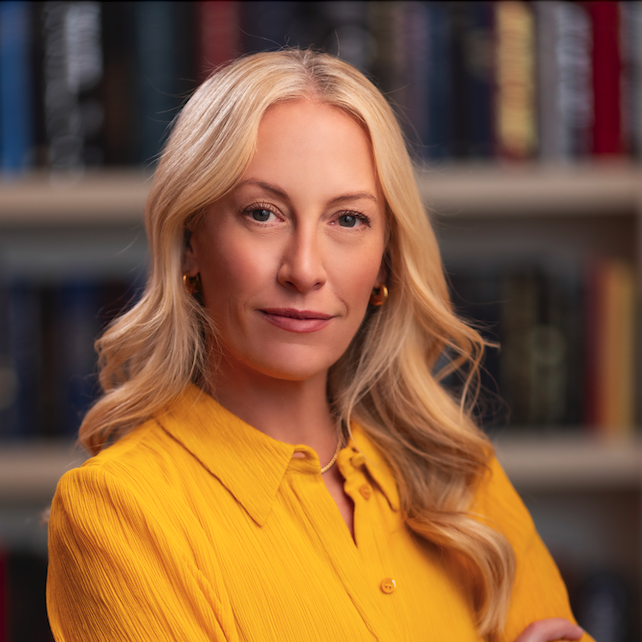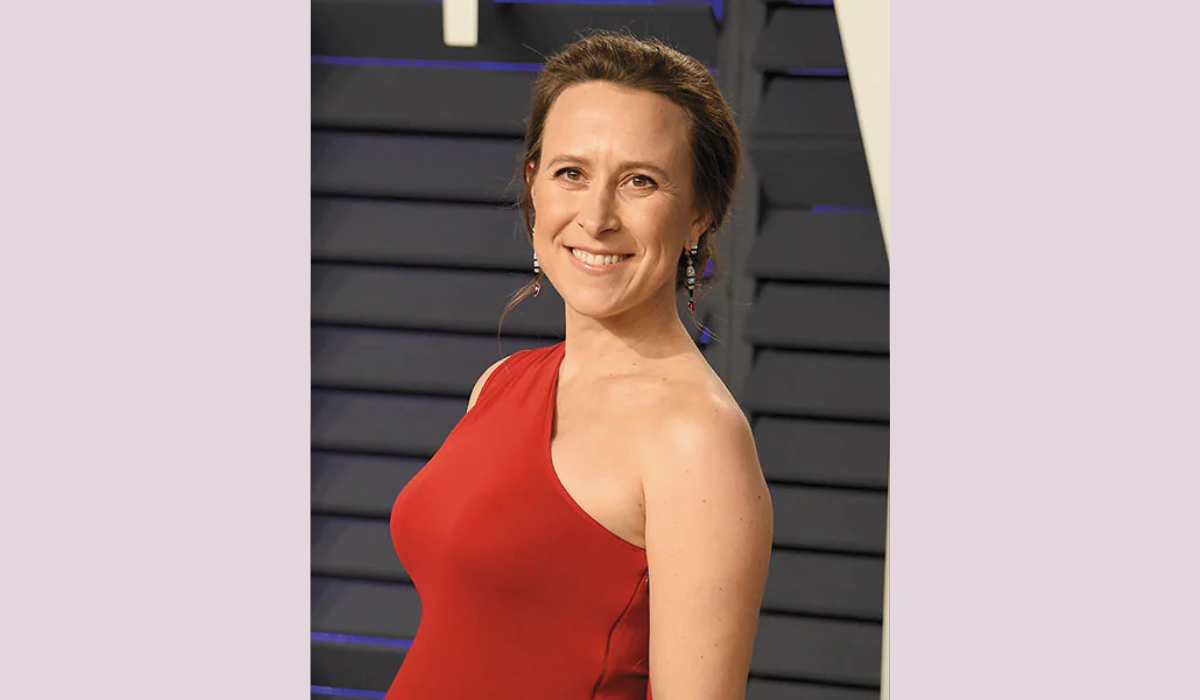
There is a moment in every transformative entrepreneurial story when a bold idea collides with perfect timing, and the world shifts on its axis. For Anne Wojcicki, that moment
arrived in 2006 when she co-founded 23andMe with the conviction that every person deserved to understand the genetic blueprint written into every cell of their body. At a time when genetic sequencing was confined to research laboratories and accessible only to specialists with years of scientific training, Wojcicki envisioned something radical: a direct-to-consumer genetic testing company that would place the power of genomic information directly in the hands of the people it concerned most. That vision—audacious, scientifically rigorous, and profoundly human—transformed not just a company but an entire category of healthcare and sparked a global conversation about the future of personalized medicine that continues to grow louder with every passing year.
The Science of Self: Building a Vision from the Ground Up
Anne Wojcicki’s path to founding 23andMe was shaped by a lifelong immersion in science and a deep, personal belief in the transformative power of information. Growing up in Palo
Alto, California, the daughter of a physics professor and an educator, was raised in an environment where intellectual curiosity was the highest value. She studied biology at Yale
University and spent years working as a healthcare analyst on Wall Street, developing a sophisticated understanding of the life sciences industry from a financial and strategic perspective.
That rare combination—deep scientific literacy fused with sharp business acumen—gave Wojcicki an unusually complete view of the gap between what genomic science could theoretically offer individuals and what the healthcare system was actually providing them. The Human Genome The project had completed its landmark mapping of the human genetic code just a few years earlier, unlocking extraordinary scientific possibilities. Wojcicki recognized that the next frontier was not more science—it was access. She co-founded 23andMe to bridge that gap, combining cutting-edge
genomic technology with a consumer-friendly platform that would make genetic self-knowledge as simple as a saliva sample and a few weeks’ wait.
“Knowledge is power, especially
when it comes to your health.”—
Anne Wojcicki, Co-founder, 23andMe
Democratising DNA: The 23andMe Revolution
The company 23andMe built under Wojcicki’s leadership was, from its earliest days, defined by a genuinely revolutionary proposition. For the first time in history, ordinary people—not
patients in a clinical setting, not research subjects enrolled in a study, but curious, health-conscious individuals —could access detailed information about their ancestry, genetic health
risks, carrier status for hereditary conditions, and pharmacogenomic insights that could influence how their bodies respond to medications. The company grew rapidly, attracting millions of customers drawn by the remarkable combination of scientific credibility and consumer accessibility that Wojcicki had made 23andMe’s defining characteristic. The FDA’s decision to grant 23andMe authorization to provide direct-to-consumer health risk reports marked a watershed moment for the entire health-tech industry, validating the company’s rigorous scientific approach and opening the door for a new era of consumer health empowerment. By the time 23andMe went public, it had amassed one of the world’s largest databases of consented genetic and phenotypic information—a resource of extraordinary scientific value that is powering drug discovery research in partnership with some of the pharmaceutical industry’s most respected institutions.
Leading with Vision: The Entrepreneurial Philosophy of Anne Wojcicki
What distinguishes Anne Wojcicki as a leader is not merely the scale of what she has built, but the philosophical consistency with which she has built it. From 23andMe’s earliest days, she
insisted that the company’s primary relationship was with its customers, not with the healthcare establishment or the pharmaceutical industry—a positioning that gave 23andMe
its unique cultural identity as an advocate for the empowered health consumer. She championed transparency, data ownership rights, and the principle that individuals should have
direct access to information about their own biology without the mandatory mediation of a physician or insurer. This customer-first philosophy, combined with a scientific rigour that
ensured 23andMe’s health reports met the highest standards of accuracy and clinical relevance, created a brand trusted by millions in one of the most sensitive and personal domains
imaginable. Wojcicki’s leadership style—data-driven, intellectually curious, deeply collaborative, and fundamentally optimistic about the capacity of technology to improve human
lives—has shaped a company culture that attracts scientists, engineers, and health advocates united by a shared conviction that genetic knowledge, wisely shared, can change the trajectory
of human health.
Preventive Care and the Data-Driven Medicine Revolution
The broader impact of Anne Wojcicki’s work extends well beyond the millions of individuals who have received their 23andMe results and discovered something meaningful about
their ancestry, their health risks, or their genetic heritage. Her company has contributed fundamentally to a paradigm shift in how the world thinks about healthcare itself—from a
reactive system that treats illness after it occurs to a preventive, personalized, and data-informed model that empowers individuals to manage their health proactively. The conversations 23andMe has sparked—about BRCA gene variants and cancer risk, about genetic predispositions to conditions like Parkinson’s disease and Type 2 diabetes, and about the pharmacogenomic factors that determine why the same medication works differently in different people—are conversations that are quite literally saving lives by prompting earlier interventions, more informed medical decisions, and a deeper personal investment in health that persists over the long term. 23andMe’s research collaborations with pharmaceutical giants have used its consented database to accelerate the identification of novel drug targets, bringing the extraordinary value of large-scale genomic data to bear on some of medicine’s most intractable challenges.
Conclusion: A Healthier, Smarter, More Empowered World Is Being Decoded
The future of healthcare is personal—and no one has done more to make that future a present reality than Anne Wojcicki. She took one of science’s most complex and consequential
bodies of knowledge and made it accessible, meaningful, and actionable for millions of ordinary people who simply wanted to understand themselves better. In doing so, she helped lay
the foundations of an entirely new category of health-tech innovation—one in which genomics, artificial intelligence, wearable technology, and personalized medicine are converging to create healthcare experiences of extraordinary precision and value. The entrepreneurs, scientists, and investors building the next wave of health-tech companies are doing so in a world fundamentally shaped by what 23andMe demonstrated: that people want to know, that knowledge enables better choices, and that the companies brave enough to give people that knowledge earn a trust that no amount of traditional marketing can manufacture. Anne Wojcicki decoded a new kind of relationship between technology and human health. The next generation is building on that code—and the possibilities are as vast as the human genome itself.
Womenpreneurs Magazine
Stories of the women who build, lead and change the rules of business. Know a leader we should feature? Nominate her.